
How Routine Property Repairs Help Maintain Homes in Miramar Beach?
Maintaining a property requires attention to small defects before they develop into larger maintenance concerns. Loose fixtures, damaged trim, sticking doors, minor drywall cracks, and worn hardware can affect everyday comfort and the appearance of a home or commercial building. Property owners looking into General Repair Services In Miramar Beach FL can benefit from understanding which repairs require attention, how environmental conditions affect building materials, and why regular maintenance matters. A practical repair plan helps keep essential features functional, reduces avoidable deterioration, and supports the long-term condition of the property.
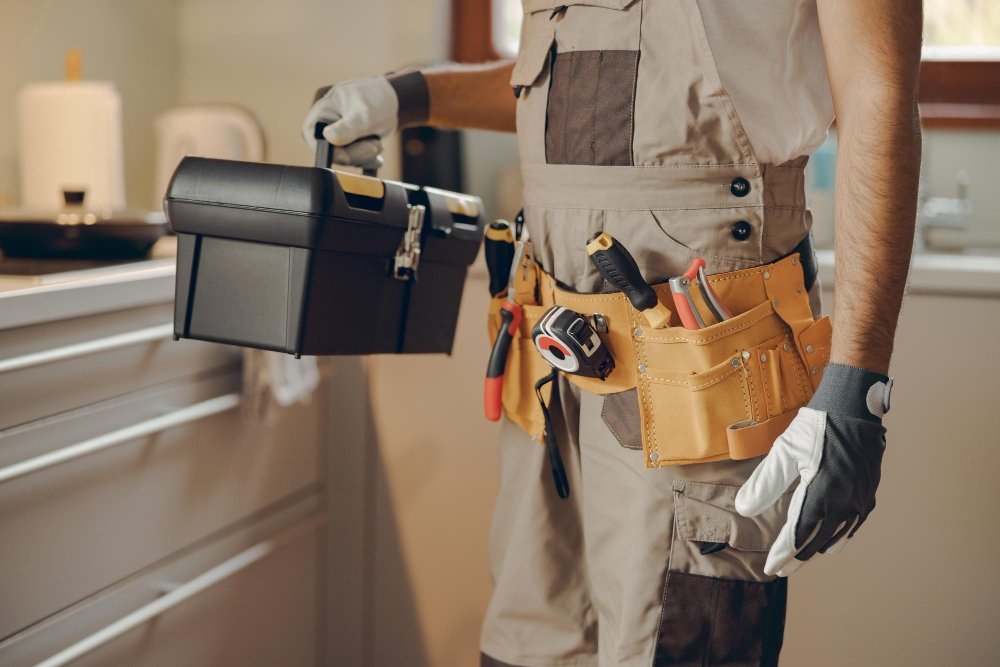
Which Common Property Issues Should Be Addressed First?
Everyday use gradually places stress on different parts of a building. Cabinet hinges may loosen, door handles can become unstable, and damaged baseboards or interior trim may need repair. Small drywall holes, cracked caulking, and loose shelving can also affect the appearance and functionality of interior spaces. Although these issues may seem minor individually, leaving several problems unresolved can make a property harder to maintain.
Property owners should begin by identifying defects that affect safety, water protection, or normal use. Loose handrails, damaged steps, and deteriorating areas around windows deserve particular attention. Cosmetic improvements can then be planned according to the property’s condition and maintenance budget. Prioritizing repairs in this way helps ensure that essential concerns receive attention before less urgent projects.
How Does Coastal Weather Affect Building Materials?
Properties in Miramar Beach experience coastal conditions that can influence the durability of building materials. Humidity, salt carried in the air, intense sunlight, and wind-driven rain may gradually affect exposed metal hardware, exterior finishes, sealants, and painted surfaces. Materials that are not maintained appropriately may show corrosion, peeling paint, or deterioration around joints and openings.
Moisture deserves particular attention because water entering through damaged caulking or poorly maintained exterior components can affect nearby materials. Property owners should periodically inspect window and door seals, exterior trim, exposed fasteners, and areas where different building materials meet. Choosing suitable products for coastal exposure and following manufacturer instructions can help maintain these components. Addressing early signs of wear also helps reduce the likelihood of repeated repairs caused by the same underlying problem.
When Should a Minor Repair Become a Priority?
Not every maintenance issue requires immediate attention, but certain warning signs should never be ignored. Water stains, soft or swollen wood, persistent dampness, loose electrical covers, unstable fixtures, and doors that suddenly stop closing properly may indicate a more significant problem. Repeatedly repairing a visible surface without investigating the cause can allow underlying damage to continue.
For example, peeling paint near a window may result from moisture entering through deteriorated exterior sealant. Repainting the area without correcting the moisture source may only provide a temporary improvement. Similarly, recurring drywall cracks may require further assessment if they widen or appear alongside other signs of movement. Property owners should arrange an appropriate inspection when the cause is unclear, particularly when structural, electrical, plumbing, or other specialized work may be involved.
What Should Owners Consider Before Scheduling Repairs?
Planning repairs begins with a clear understanding of the problem, the materials involved, and the desired outcome. Property owners should document visible defects, identify affected rooms or exterior areas, and determine whether the issue interferes with daily activities. Establishing priorities helps organize several small jobs into a manageable maintenance plan.
The repair method should suit the existing construction and the conditions surrounding the affected area. Replacement hardware, sealants, paint, and trim materials should be compatible with the original surfaces and intended use. Owners should also discuss the expected scope, material requirements, scheduling, and costs before work begins. Licensed or qualified specialists may be necessary for electrical, plumbing, structural, or other regulated tasks. Proper planning reduces confusion and helps property owners make informed decisions about maintenance.
How Can Regular Maintenance Protect Property Value?
Consistent maintenance helps preserve a property’s appearance, usability, and overall condition. Simple habits, such as checking door and window hardware, monitoring caulking, cleaning drainage areas, and inspecting exposed materials, can reveal developing concerns before they require extensive work. Keeping records of completed repairs and materials used also makes future maintenance easier to organize.
In coastal locations, inspections should pay particular attention to corrosion, moisture intrusion, weathered finishes, and deteriorating exterior joints. Repairs should address the source of a problem rather than only its visible symptoms. DC Storey Contractor can help property owners understand general repair and maintenance needs for their properties. By combining timely repairs with sensible preventive care, homeowners and commercial property managers can maintain functional spaces, limit avoidable deterioration, and support the long-term value of their buildings.